
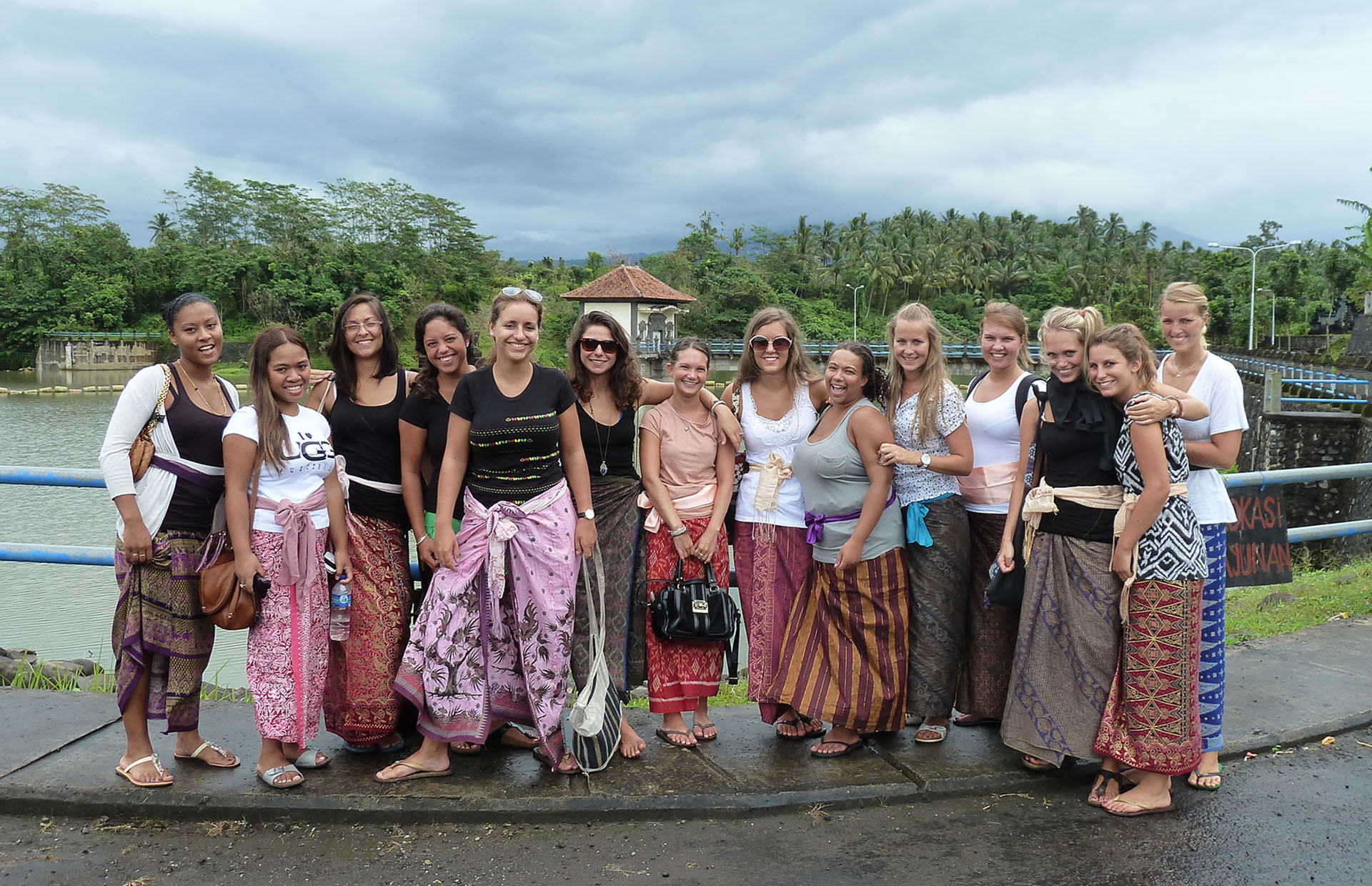
International Semester Program
“Intrapreneuship in Another Perspective”
“Intrapreneurship in another perspective is the capability and willingness to think and to act in an innovative, economically responsible way and to contribute significantly to a sustainable, peaceful environment, in which humanitarian equity, respect, and subservience are essential features”
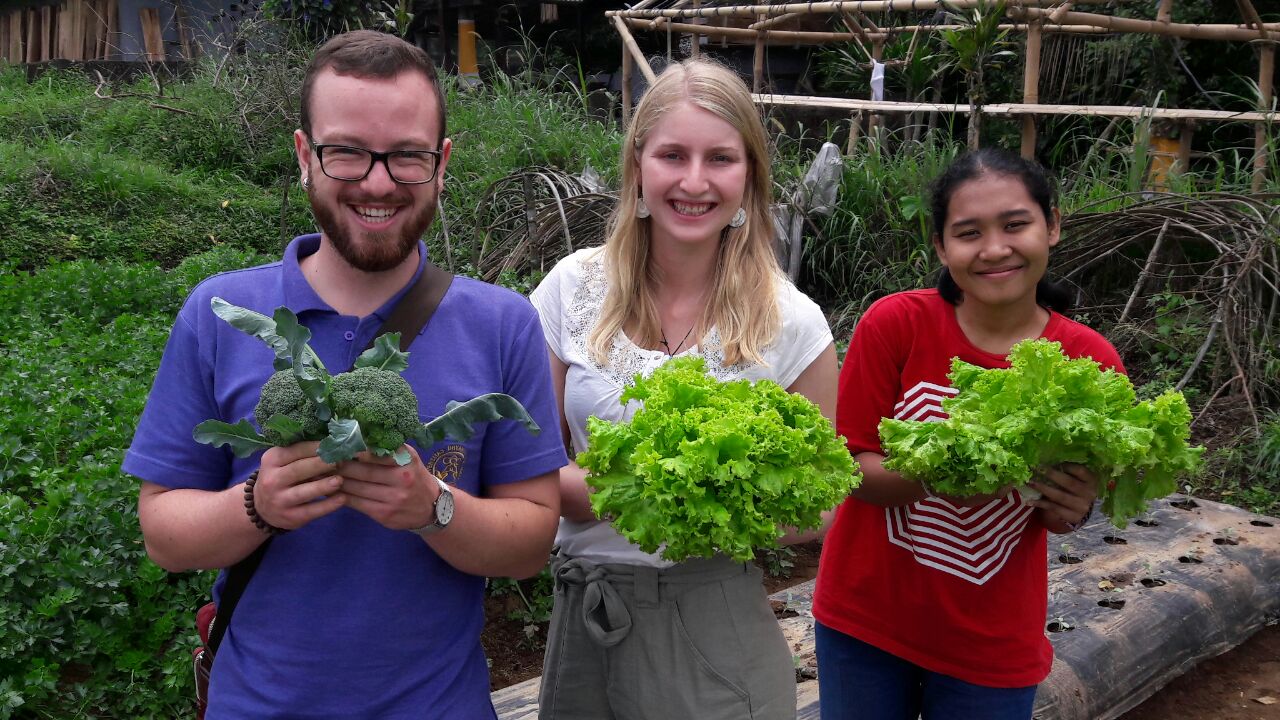
Universitas Dhyana Pura (Undhira), in cooperation with the Institute of Sustainability and Intrapreneurship began the international semester program “Intrapreneurship in Another Perspective” in 2012. Through its International Office, Undhira offers international minors (semester programs), short courses, seminars, and workshops in the fields of Intrapreneurship & Sustainability.
Undhira intends to be an international gathering place and incubator for international students, academics, and professionals to meet and discuss the further development of the concept of intrapreneurship in another perspective as a leading philosophy and one of the unique selling points for the recently started Dhyana Pura University (2011). Additionally, Undhira will implement the concept of intrapreneurship in another perspective, integrated within the different programs at Dhyana Pura University.
This 19‑week journey combines classroom learning, cultural exploration, excursions, projects, and examinations, all designed to spark growth and collaboration. Structured in dynamic phases of action, review, planning, and implementation, each step culminates in presentations, evaluations, or tests that strengthen both knowledge and experience.
The program concludes with a final project presentation, allowing participants to contribute meaningfully while showcasing their achievements. Flexible in length, it can be tailored to meet the needs of partner institutions, ensuring relevance and impact.
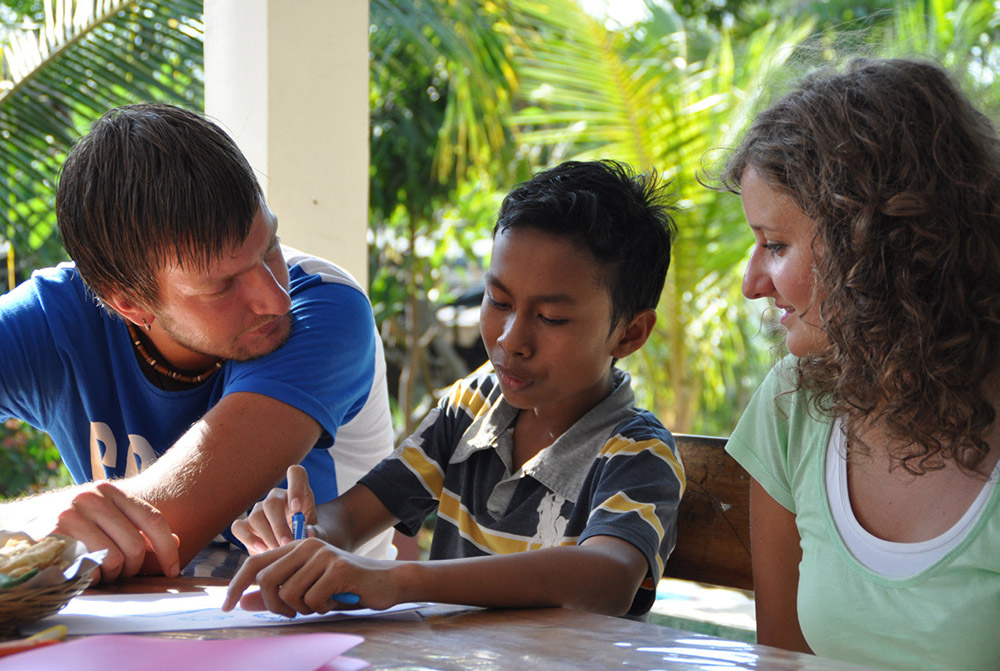

Undhira International Semester Program “Intrapreneurship in Another Perspective” is a study abroad program that allows international students to spend a semester studying in Bali, away from their home countries. The program is designed to give students a unique opportunity to immerse themselves in a new culture, learn about different perspectives, and expand their academic horizons.
Undhira International Semester Program is open to students from a variety of majors and academic backgrounds. The program includes courses that are taught in English, as well as Indonesian language classes to help students improve their proficiency in the local language.
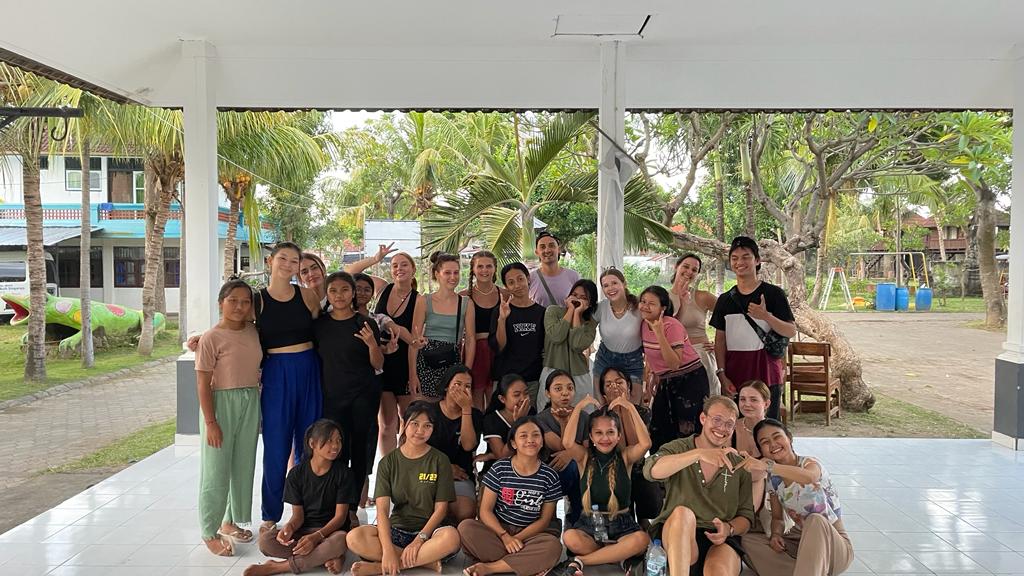
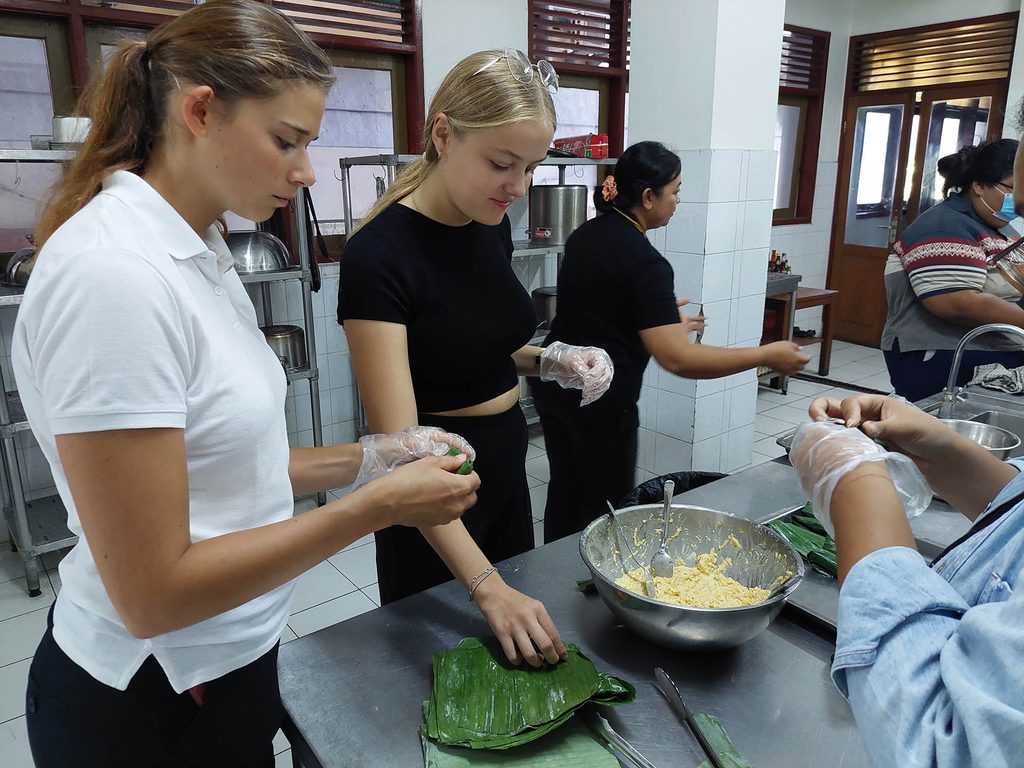
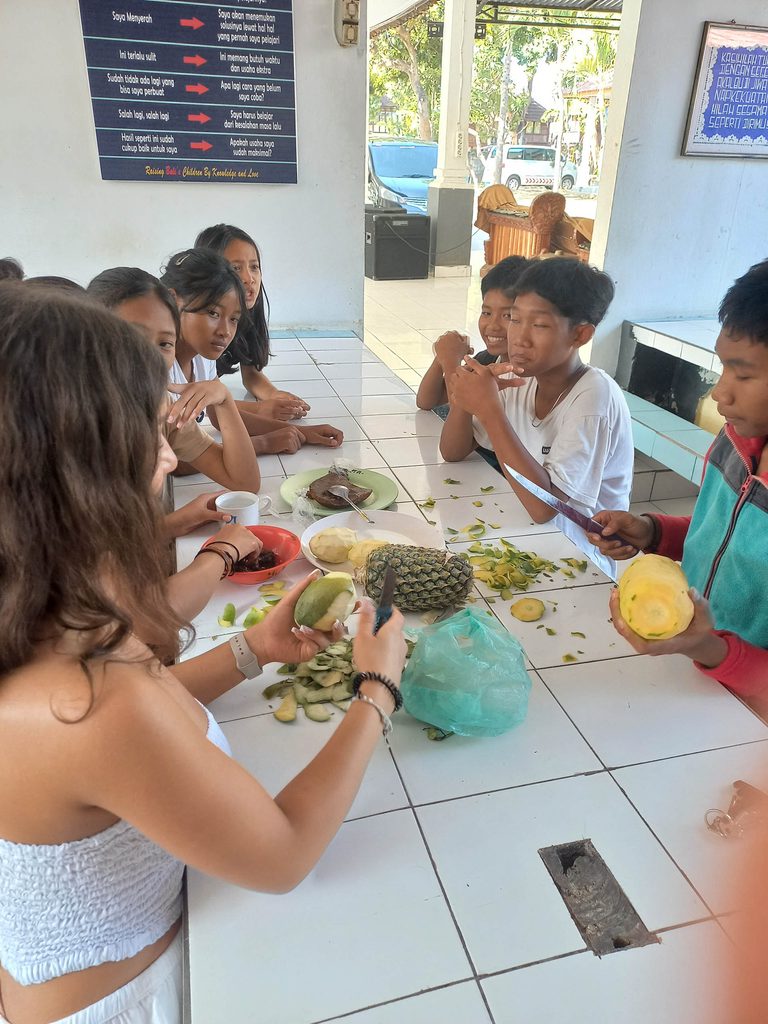
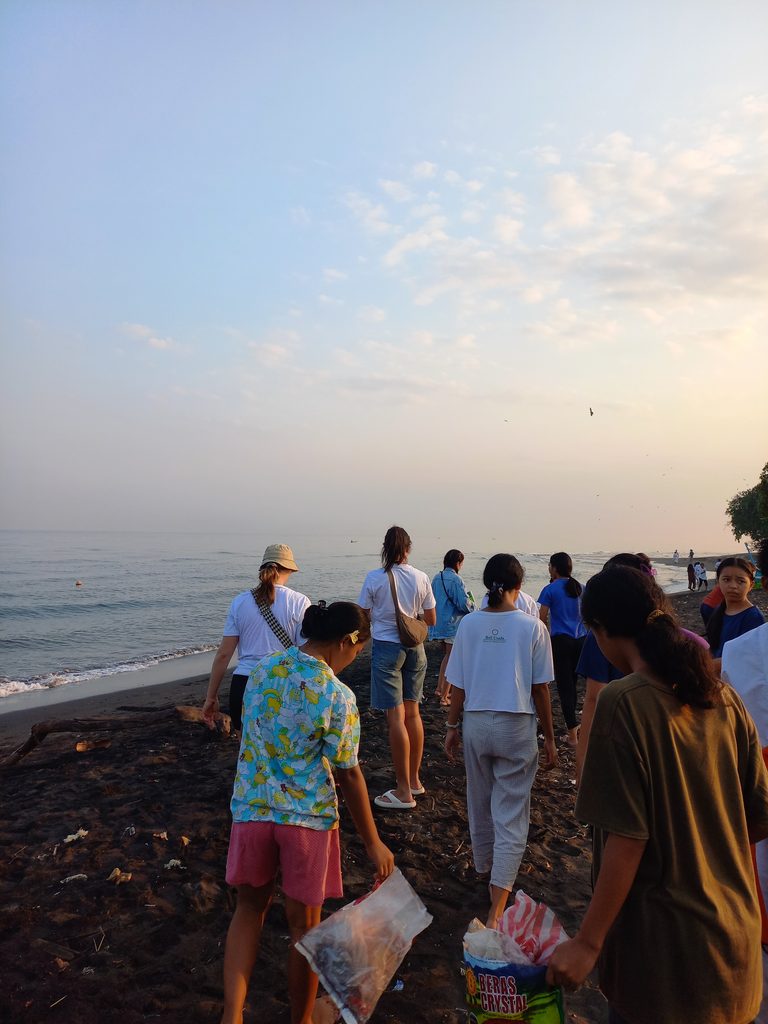
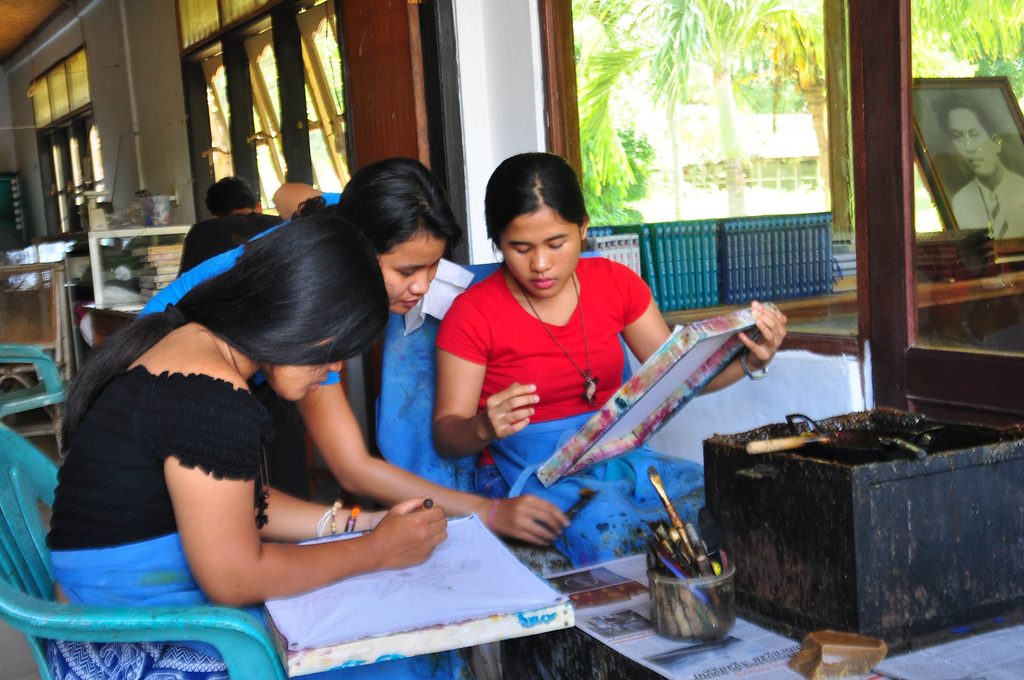
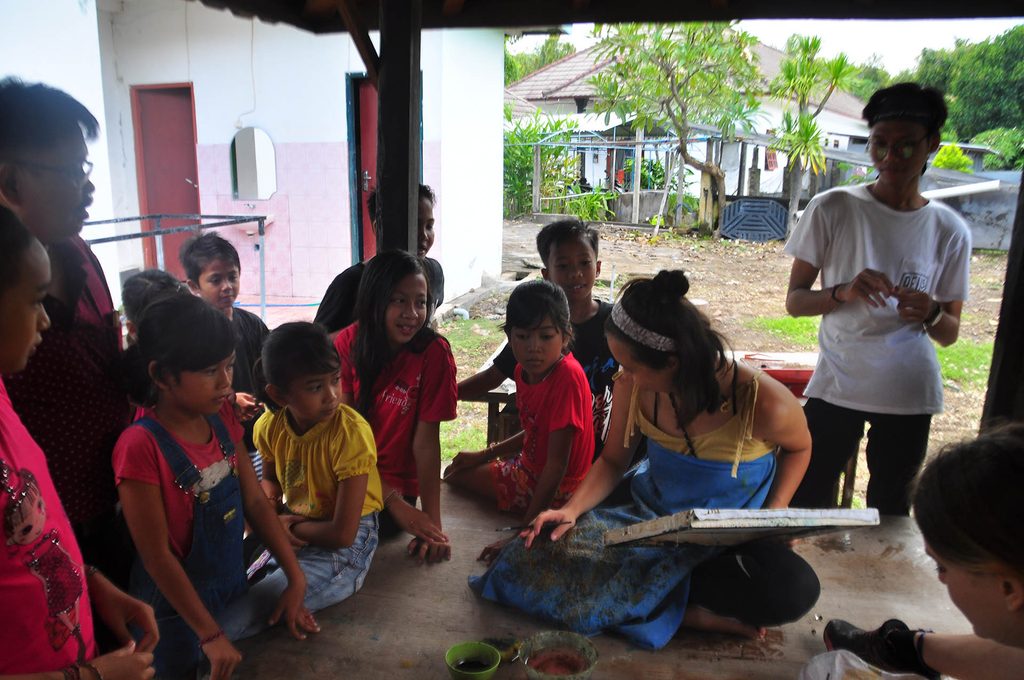
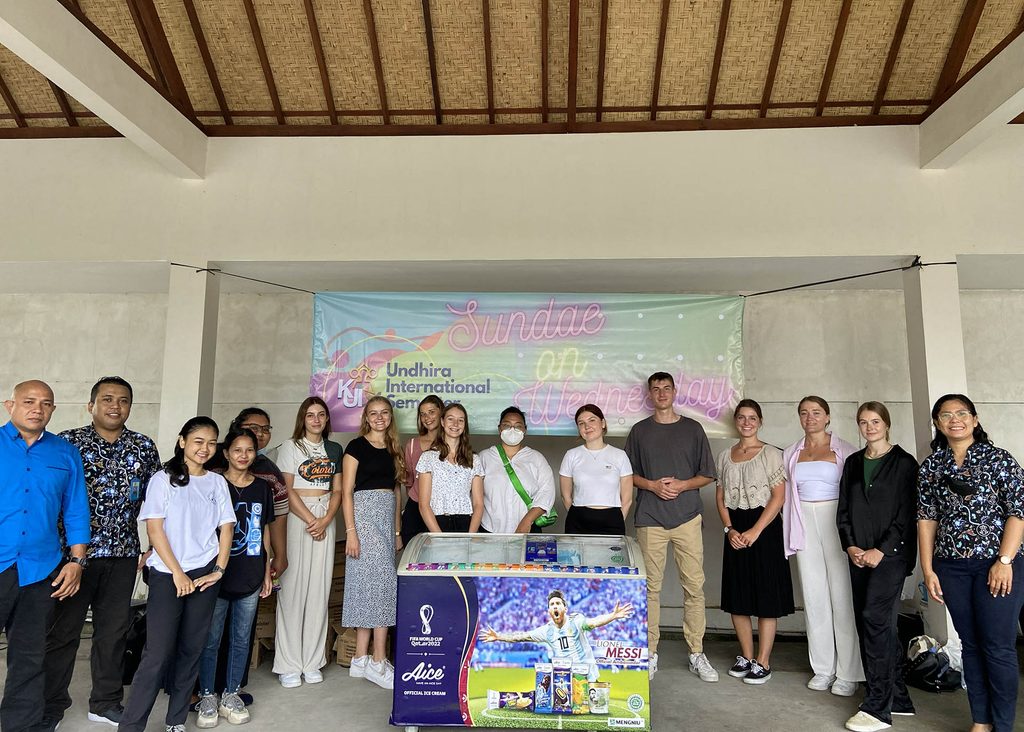
In addition to coursework, Undhira International Semester Program offers cultural activities, excursions, and other events to help students learn more about the local culture and explore the host country. These may include visits to historical sites, museums, and cultural events, as well as opportunities to participate in local community service projects.
Participating in Undhira International Semester Program can be a life-changing experience for international students. It provides them with the opportunity to gain a new perspective on the world, make new friends from different backgrounds, and develop valuable intercultural communication skills. Additionally, studying abroad can enhance a student’s resume and make them more attractive to potential employers in the future.
Why an International Semester Program?
Our world is facing profound challenges: environmental crises, widening inequalities, and tensions across political, economic, and cultural divides. Human actions deeply affect not only our planet but also the lives of countless species that share it. These realities demand new perspectives, courage, and collaboration across borders.
An International Semester Program is more than study abroad, it is a transformative journey. By immersing in diverse cultures, engaging in academic exchange, and collaborating with peers from around the globe, participants gain the insight needed to become responsible and balanced global citizens. They learn to think critically, act locally, and contribute meaningfully to a healthier, more sustainable future.
Through international education, students, staff, researchers, and volunteers discover the richness of global diversity, share knowledge across cultural and historical backgrounds, and develop the values of transparency, patience, empowerment, and conviction. At its heart, the program inspires participants to “think globally, act locally”, equipping them to take social responsibility and shape a better tomorrow.
Who will benefit from it?
Bachelor’s and Master’s students from both overseas and domestic institutions can enrich their studies by completing minor programs and engaging in R&D projects in the fields of Intrapreneurship & Sustainability in Bali, while pursuing their degrees. Alumni and lifelong learners are also invited to join international refresher courses, organized in collaboration with Universitas Dhyana Pura’s global partners.
This program is designed for highly motivated, committed, and dedicated participants, those ready to challenge themselves and grow into future leaders. With its applied and practical orientation, combined with project‑based experiences, the program offers a unique balance of theory and practice. Delivered in English and infused with international and cross‑cultural perspectives, the five‑month journey is most often undertaken by students in their third or fourth year of study.
Undhira’s vision is to build a vibrant network of students, graduates, and alumni equipped with multidisciplinary knowledge and creative skills to face global challenges in local contexts. Participants will become enterprising, proactive, and innovative individuals, ready to serve and succeed in international social and business environments.
Only by placing students in new situations and new places–where known pictures of the world don’t match the reality that they know–will emerge truly new, creative, and innovative ideas.
Courses
The program nurtures responsible global citizens by fostering intrapreneurship, empathy, and open‑mindedness, while preparing them for bold career transformations. Students collaborate on equal terms with peers worldwide, guided by values of dignity and respect.
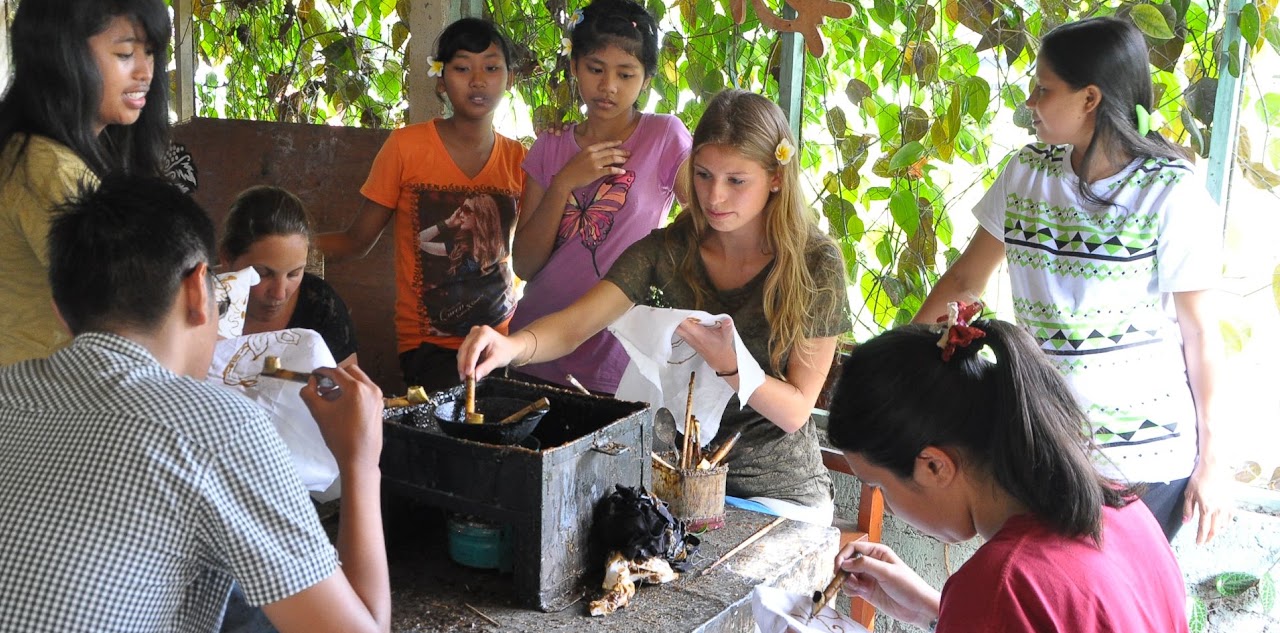
Through courses and project teamwork, participants engage with local communities, small businesses, and non‑profits to address real challenges in sustainable development. Each project blends theory with practice, fulfilling academic goals while creating meaningful impact.
By working hands‑on, students gain essential skills in entrepreneurship, care, and technology, learning to design solutions for real‑world problems and to act as innovative leaders in a diverse, interconnected world.
Our current course offerings are as follows.
- East Meets West
- Intrapreneurship in Another Perspective
- Bahasa Indonesia
- Culture
- Intercultural Hour
- Semester Project
- Excursion
Intrapreneuship in Another Perspective
Putu Chris Susanto
Intrapreneurship in Another Perspective (IAP) is an interdisciplinary course for Dhyana Pura University’s international semester program that challenges students to rethink conventional business models. Moving beyond standard profit motives, the course explores how individual empowerment, small-scale enterprise, and meta-economics drive global change. Students examine core topics including entrepreneurship and social entrepreneurship, the Fourth Sector, for-benefit enterprises, the Triple Bottom Line, and the four anchors of IAP: spirituality, meta-economics, self-reliance, and small business. By connecting local innovation and sustainable practices with the United Nations Sustainable Development Goals, participants gain practical tools and a critical mindset to foster ethical responsibility, social equity, and resilience in their own personal and professional contexts.
Learning Objectives
- To introduce the concepts and principles of Intrapreneurship in Another Perspective (IAP) respective to the concepts of Entrepreneurship and Social Entrepreneurship.
- To explore the concepts of Intrapreneurship in Another Perspective (IAP) from a multidisciplinary perspective.
- To enrich students’ learning experience through various materials and activities, including but not limited to the concepts of Fourth Sector, For Benefit Enterprise, and Triple Bottom Line.
- Students are able to apply the concepts and spirits of Intrapreneurship in Another Perspective (IAP) in one’s own context and in the context of SDGs, as well as sustainability in general.
Textbooks & Materials
- IAP Syllabus
- Sabeti, H. 2011. The for-benefit enterprise. Harvard Business Review.
https://hbr.org/2011/11/the-for-benefit-enterprise - Elkington, J. 25 years ago I coined the phrase “triple bottom line.” Here’s why it’s time to rethink it. Harvard Business Review.
https://hbr.org/2018/06/25-years-ago-i-coined-the-phrase-triple-bottom-line-heres-why-im-giving-up-on-it# - Barclays “The psychology of entrepreneurship”.
https://silo.tips/download/the-psychology-of-entrepreneurship-a-data-driven-study-into-the-motivation-behin - Kerr, et.al. Personality Traits of Entrepreneurs: A Review of Recent Literature.
https://www.hbs.edu/faculty/Pages/item.aspx?num=53682 - Other materials shared in-class.
Working Across Culture: East Meets West
Christine Suyasa
This course is about side business with meta-studies, which means that we value people more to make an effective and efficient working environment. This study is providing a systematic, step-by-step approach to understanding the most common business communication challenges that arise from cultural differences and offer steps for dealing with them more effectively. The process begins with recognizing the cultural factors that shape human behavior and methodically analyzing the reasons for that behavior. This will allow the application of clear strategies to improve the effectiveness of solving most problems caused by cross-cultural misunderstandings. Subtle differences in communication patterns and the complex variations in what is considered good business or common sense from one country to another have a tremendous impact on how we understand one another, ultimately on how we get the job done.
Learning about the concept of culture and its aspects will help to develop and apply insights about human behavior in organizational settings. The course material will be useful in managing relationships with other people, making complex decisions, how to pursue things, leading others, trusting others, do better scheduling. It also helps to understand some challenges involved in both managing and being managed. The tools and skills developed in this syllabus should equip us to become more effective contributors to the organization in which we all participated.
Learning Objectives
Learning about the concept of culture and its aspects will help to develop and apply insights about human behavior in organizational settings. There are 8 scales key areas that managers must be aware of. Showing how cultures vary along the spectrum from one extreme to the opposite. The eight scales are:
- Communicating: Low Context vs. High Context
- Evaluating: Direct Negative Feedback vs. Indirect Negative Feedback
- Persuading: Principles – First vs. Application – First
- Leading: Egalitarian vs. Hierarchical
- Deciding: Consensual vs. Top-down
- Trusting: Task-Based vs. Relationship Based
- Disagreeing: Confrontational vs. Avoid Confrontation
- Scheduling: Linear-time vs. Flexible-time
These eight scales will be useful in managing relationships with other people, making complex decisions, how to pursue things, leading others, trusting others, do better scheduling. It also helps to understand some challenges involved in both managing and being managed.
Textbooks & Materials
- Meyer, E. 2015. The Culture Map. Decoding How People Think, Lead, and Get Things Done Across Cultures. New York, NY: Public Affairs.
- Molinsky, A.L. 2013. Global Dexterity: How to adapt your behavior across cultures without losing yourself in the process. Boston, MA: Harvard Business Review Press.
- Online Journals on Cross-Culture Understanding
Indonesian/Balinese Culture
I Nengah Rata Artana,
Anom Emiyati
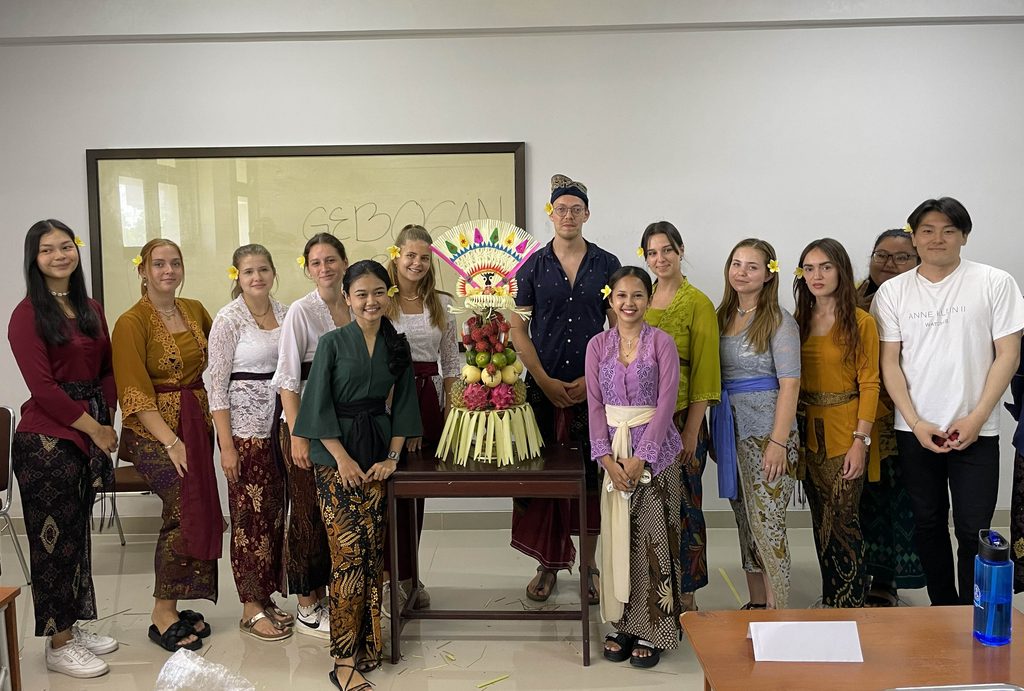
In this course, you will learn many cultural strategies for creating greater academic, professional, and personal success. We will use variety of media; you will learn to express yourself more effectively in cultural settings. In addition, we will explore your skills, values and interests through the use of variety musical instruments (Offline class), along the way so you could have a better understanding of the Balinese Culture and Indonesia in general.
The most important part of this course is learning more about empowering yourself, learning who you are as a college student, learning who you are as a human being, and learning what it takes for you to keep yourself balanced and on course to success.
Learning Objectives
In this course students will learn how to
- Accept personal responsibility
- Increase self-motivation
- Improve personal self-growth
- Develop interdependence
- Increase self-awareness
- Maximize your learning
- Develop emotional intelligence
- Raise your self-esteem
- Culturally more effective
- Improve creative and critical thinking skills culturally
- Master effective study skills in a different cultural setting
- Appreciate diversity and raise cultural awareness
- Career & major exploration
Bahasa Indonesia
Sebastian Adriansa
This course aims to introduce the basics of Indonesian to foreigners who want to start speaking the language. This program also helps foreign students to prepare themselves to interact and communicate with Bahasa Indonesia, in both inside and outside the classroom settings.
Learning Objectives
In this course students will learn how to
- Introduce themselves in Bahasa Indonesia
- Tell the time
- Make simple interrogative sentences regarding family, origin, hobby, etc.
- Make a simple conversation and talk about their favorite food & drink, places, or activities
- Write a simple paragraph about a certain topic (e.g. memorable experience)
Intercultural Discussion is a student-led seminar for international and local students at Dhyana Pura University. Bringing together an international cohort and students from diverse regions across Indonesia, the course examines everyday customs, social traditions, and global perspectives through collaborative dialogue. Each week focuses on a theme, such as celebrations, food, or family customs, allowing participants to share how these practices appear in their home countries and local communities. Through group discussions and hands-on activities, students build practical intercultural competence and deepen their understanding of life in Bali and Indonesia.
Course Objectives
- Build Intercultural Awareness: Examine cultural similarities and differences through open dialogue on daily traditions, celebrations, and social practices.
- Promote Student-Led Learning: Empower students to guide weekly discussions, share personal cultural narratives, and direct peer exchanges.
- Connect Global and Local Perspectives: Compare international viewpoints with the multicultural landscape of Indonesia using the varied backgrounds of the student group.
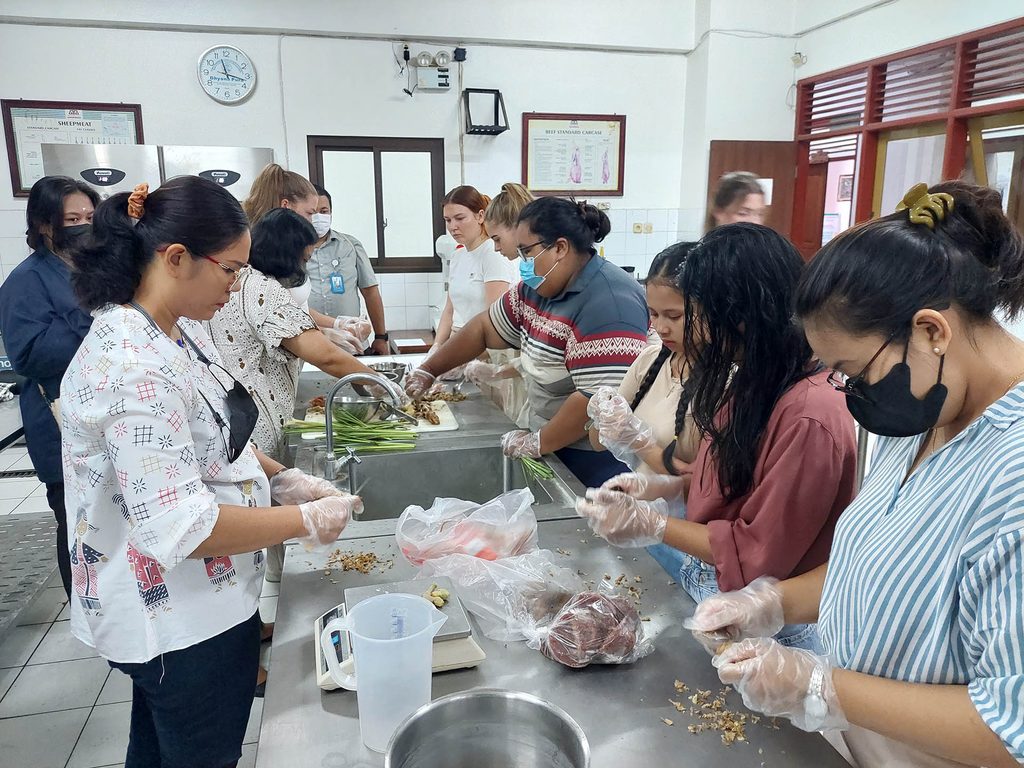
- Integrate Experiential Activities: Use hands-on group tasks to connect classroom discussions with everyday cultural contexts in Bali.
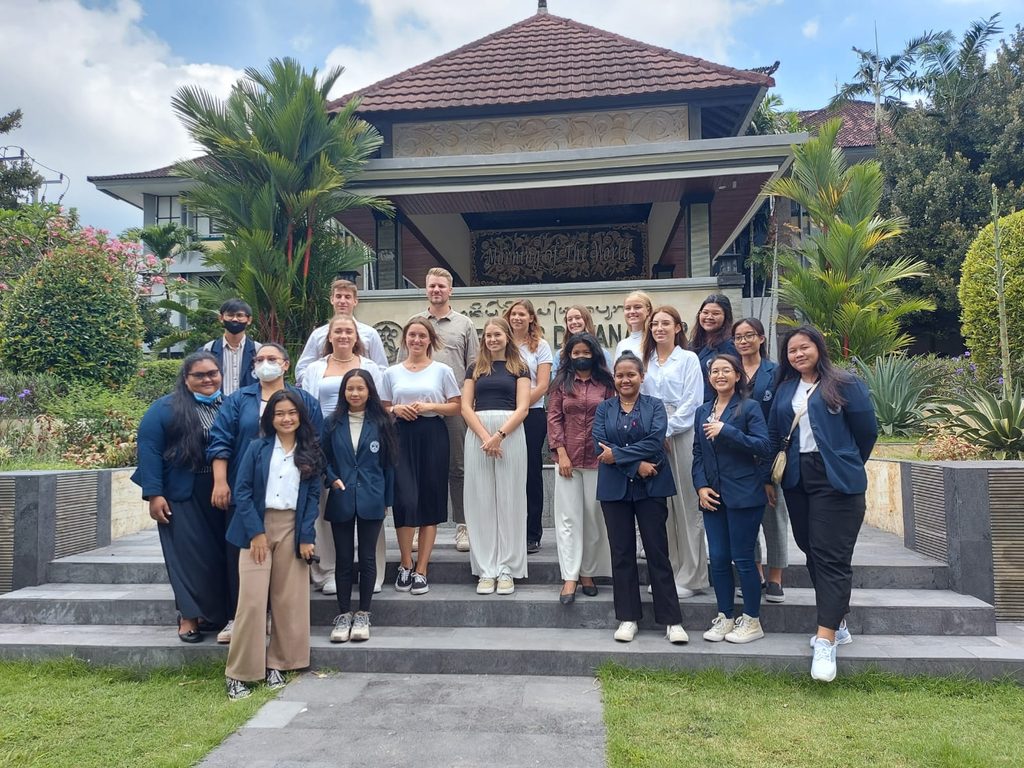
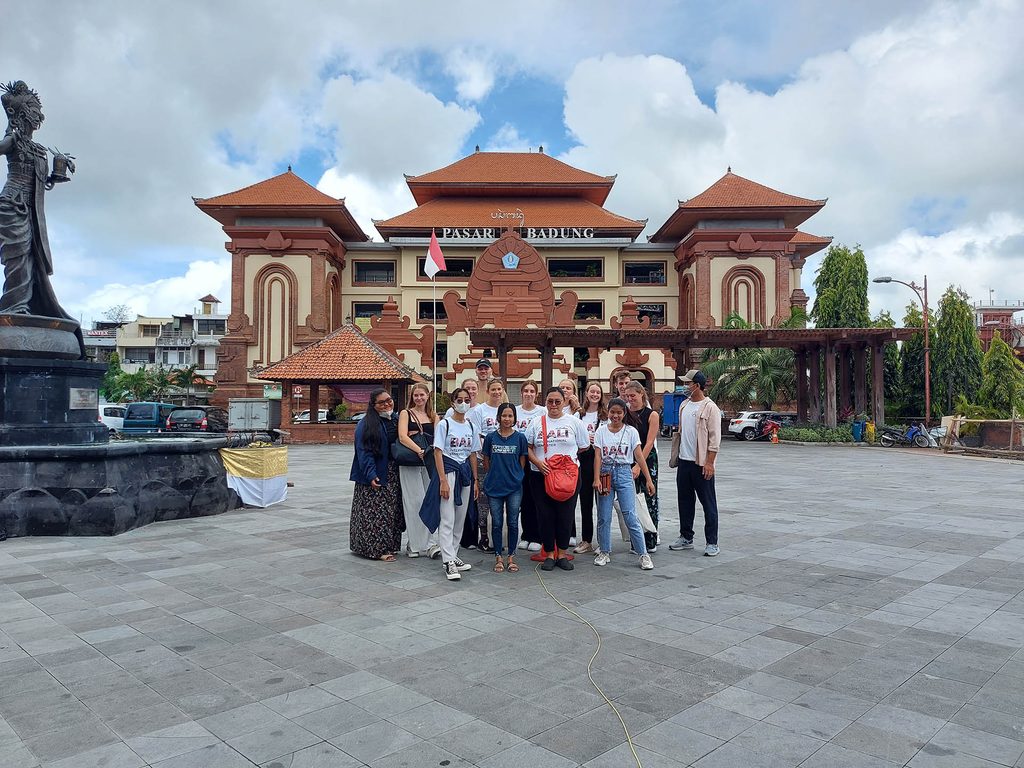
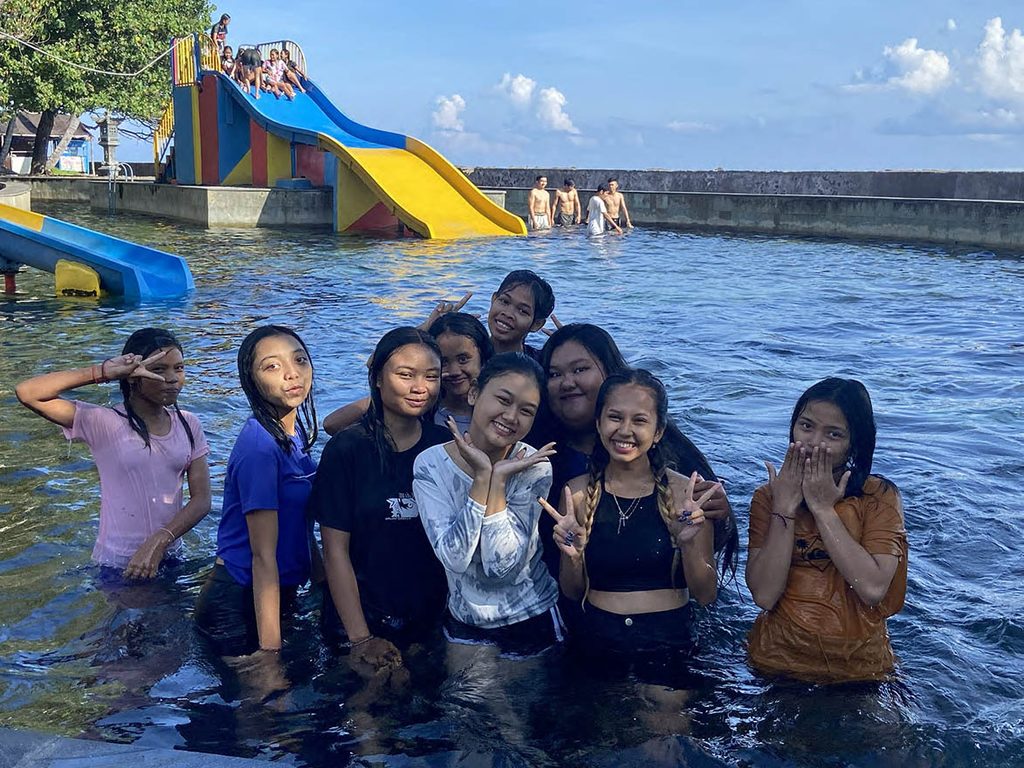
Undhira International Semester involves a range of excursions that provide students with the opportunity to explore the culture, history, and natural beauty of Bali/Indonesia. The excursions can take many forms, from guided tours of cultural/historical sites, and institutional visits to outdoor activities such as hiking, camping, and snorkeling. These activities are designed to be both educational and enjoyable.
Excursions are an important component of the program, as they allow students to gain firsthand knowledge of the local environment, customs, and traditions. Excursions also provide opportunities for students to engage with local communities and learn about the social and political issues affecting the region. This might involve meeting with local activists or community leaders, volunteering at a local charity or social enterprise, or attending a lecture or panel discussion on a topic of local relevance.
We hope that through our excursions, students gain a deeper understanding of Bali/Indonesia and develop valuable cross-cultural communication skills.
Below is the list of excursions that have been done in the past. Please note that the number and location of excursions in your semester depend on several factors such as the academic calendar, national holidays, nature/weather conditions, etc.
- City Excursion
- North Bali Excusion
- Central Bali Excursion
- East Bali Excursion
- West Bali Excursion
- Animal/Bio Conservation
- Edu/Agrotourism
- Community-based Ecotourism
- Personal & Spiritual Wellbeing
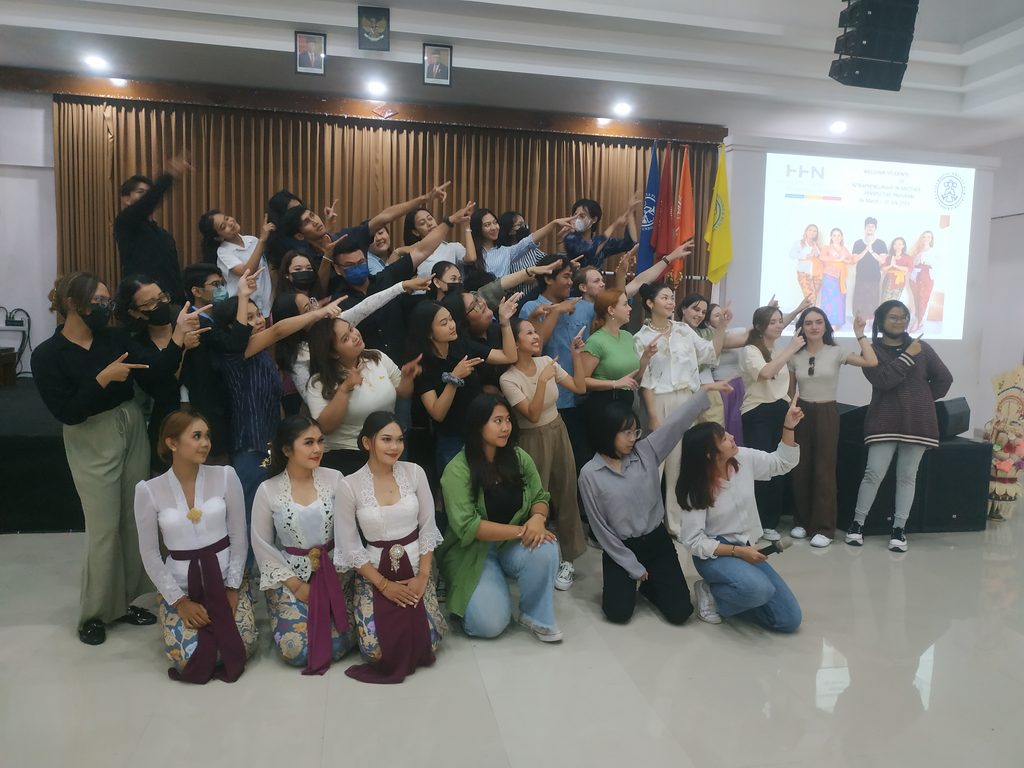
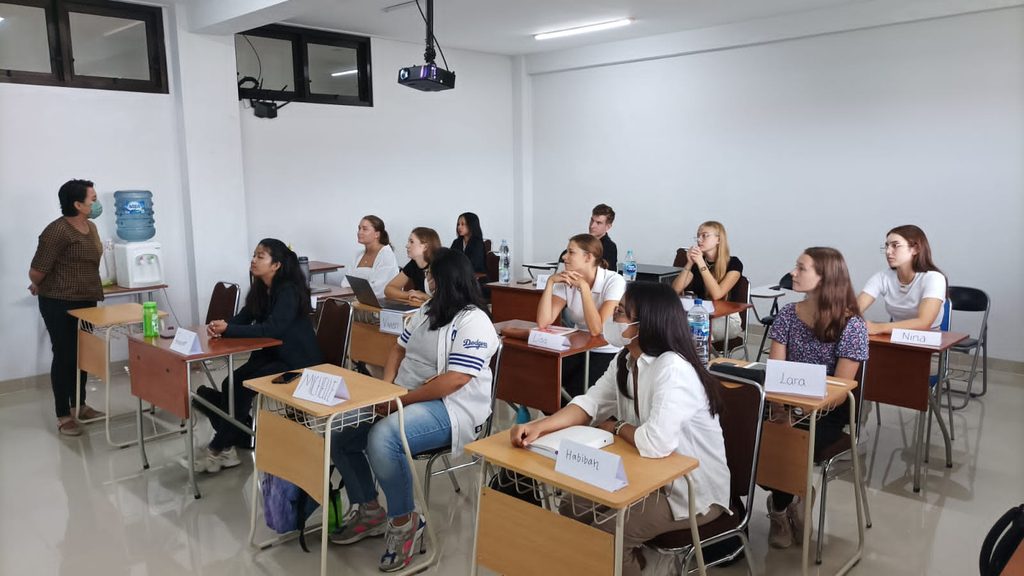
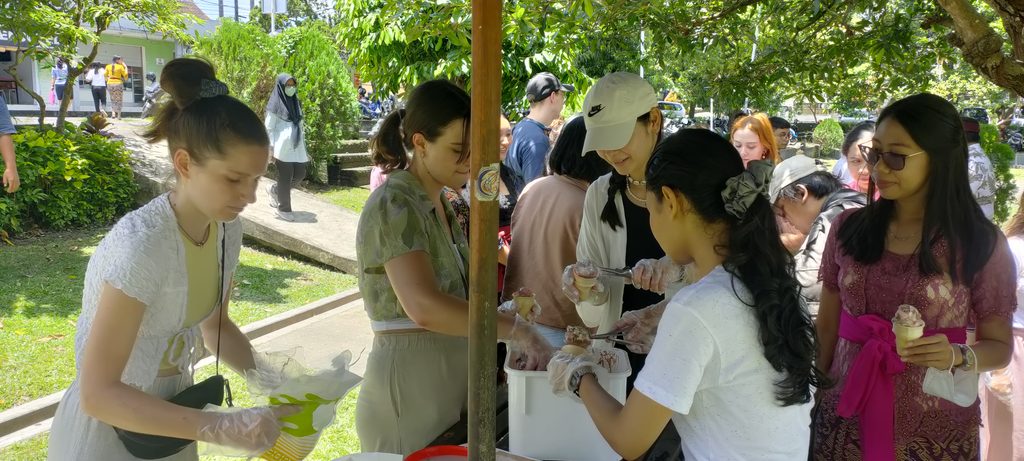
Gallery
Got questions?
Feel free to reach out.